How Long Do Peptides Last In The Fridge: Complete Refrigeration Guide
How Long Do Peptides Last In The Fridge: Total Refrigeration Overview
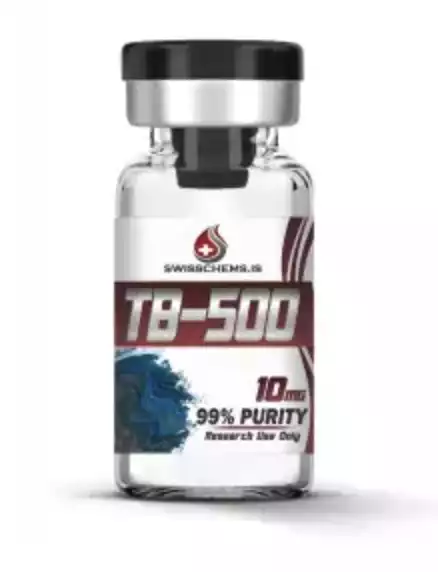
When running a peptide pile, multiple vials sit in the very same fridge section. Without clear labeling and company, it is simple to get hold of the wrong vial. Carrying out TB-500 when you indicated to draw ipamorelin is not simply a waste.
Fast Peptide Storage Space Tips ✅
The distinction in between keeping peptides properly in your refrigerator versus making typical errors can mean the distinction in between full potency and complete waste of financial investment. Recognizing peptide expiry requires checking out just how chilly temperatures slow deterioration paths while keeping molecular honesty. Lyophilized peptides usually last one to two years cooled, while reconstituted peptides in the fridge stay steady for 2 to four weeks under ideal problems.
Tb-500 Storage
The key distinction remains in the details formulations and their security profiles, which differ by manufacturer and prep work method. Similar storage considerations put on newer substances like retatrutide and cagrilintide. Reconstituted peptides should be colorless to very somewhat yellow. Substantial yellowing, browning, or any type of other color change recommends chemical degradation has occurred.
- Peptides having oxidation-sensitive residues like methionine or cysteine may have rather shorter chilled life span.
- Toss it away if you see any kind of noticeable fragments, cloudiness, or staining.
- We will certainly cover that in detail later on in the peptide vial area of this guide.
- Each time you freeze a peptide remedy, ice crystals form.
- Glutamine at the N-terminus can cyclize to create pyroglutamic acid.
- Never get pre-mixed fluid peptides - massive warning for quality.
Cysteine-containing peptides CJC-1295 face similar difficulties. Cysteine residues can develop disulfide bonds with each other or oxidize to cysteic acid. Either pathway alters the peptide framework and possibly its biological task. Peptides including cysteine, methionine, or tryptophan are particularly prone to oxidation. These amino acids include sulfur or aromatic structures that respond readily with oxygen and reactive oxygen types. The key concept is matching storage temperature level to meant use timeline.
Ends · SERGIOPTUH143